I tell stories
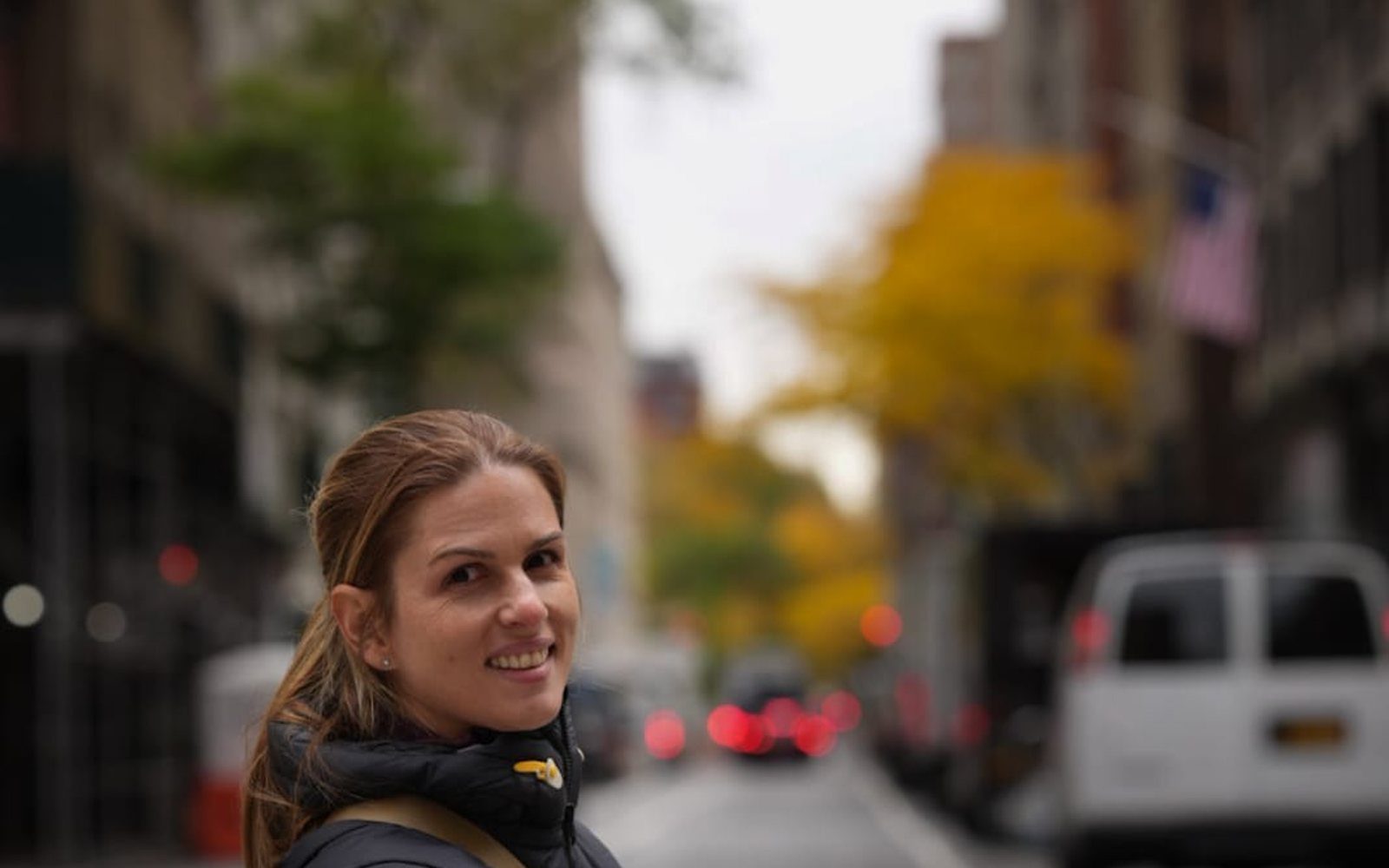
Journalist since 2006. I write chronicles, columns and letters; on Instagram I tell short stories about what is human while everything changes.
↗ What I tell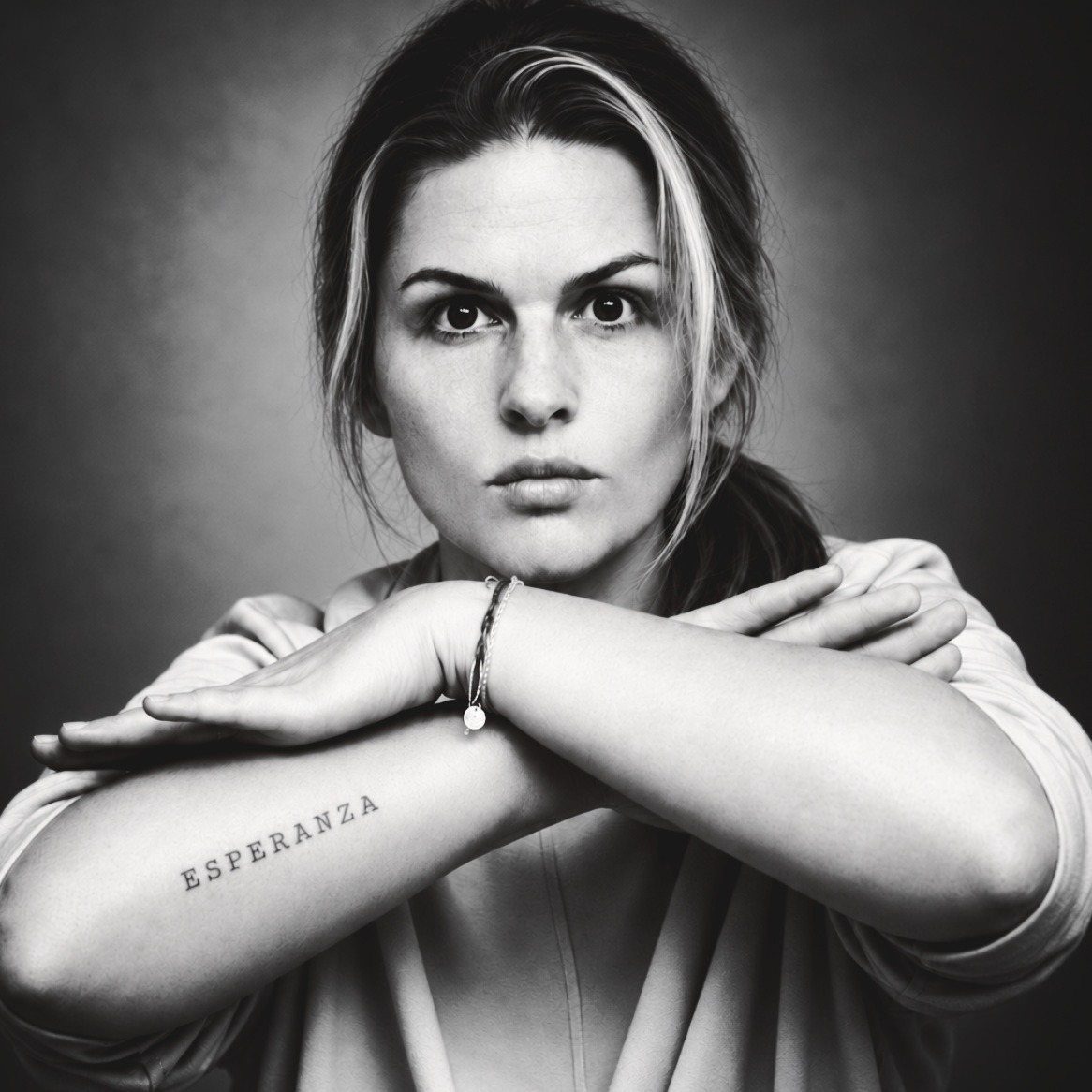
I am Sarita Palacio. Journalist, storyteller and founder of Duende. For twenty years I have told stories that help people understand complex things, act on them and remember them.
Journalist since 2006. I write chronicles, columns and letters; on Instagram I tell short stories about what is human while everything changes.
↗ What I tellI design the story that gives order to a project, a city or an organization, and the strategy to tell it.
↗ My methodKeynotes, courses and workshops on storytelling, public communication and artificial intelligence, for rooms of twenty or five hundred people.
↗ See topicsI founded and lead a strategic storytelling agency in Medellín. When a project needs a full team, that is the way in.
↗ Meet DuendeAbout me
I started in a newsroom in 2006 and never fully left. I worked at Semana, La República, Teleantioquia and Canal UNE, and wrote columns for years. That is where I learned what still holds my work together: a number only matters when someone can see themselves inside it.
I studied journalism at Universidad de Antioquia and hold a master's degree in Socio-spatial Studies from INER. That mix explains most of what I do. I care about how people live in a territory, how a city makes decisions, and how to tell that to the people who live there so they understand it and make it their own.
Ten years ago I founded Duende, a strategic storytelling agency in Medellín, and I have led it since. What Duende does is done by a large and talented team; my part is the narrative direction: the concept, the point of view and the story that gives order to each project.
For ten years I have trained officers of the Colombian National Police in communication, together with EAFIT University, and I have taught executives, managers, teachers and engineers. I was an advisor to the Pan American Health Organization in Guatemala and worked on clean-vote campaigns for the Government of Antioquia. Today a new question keeps me busy: what happens to human writing when artificial intelligence writes for us.
I live in El Retiro, Antioquia, with my husband and our two daughters, in a house with a vegetable garden.
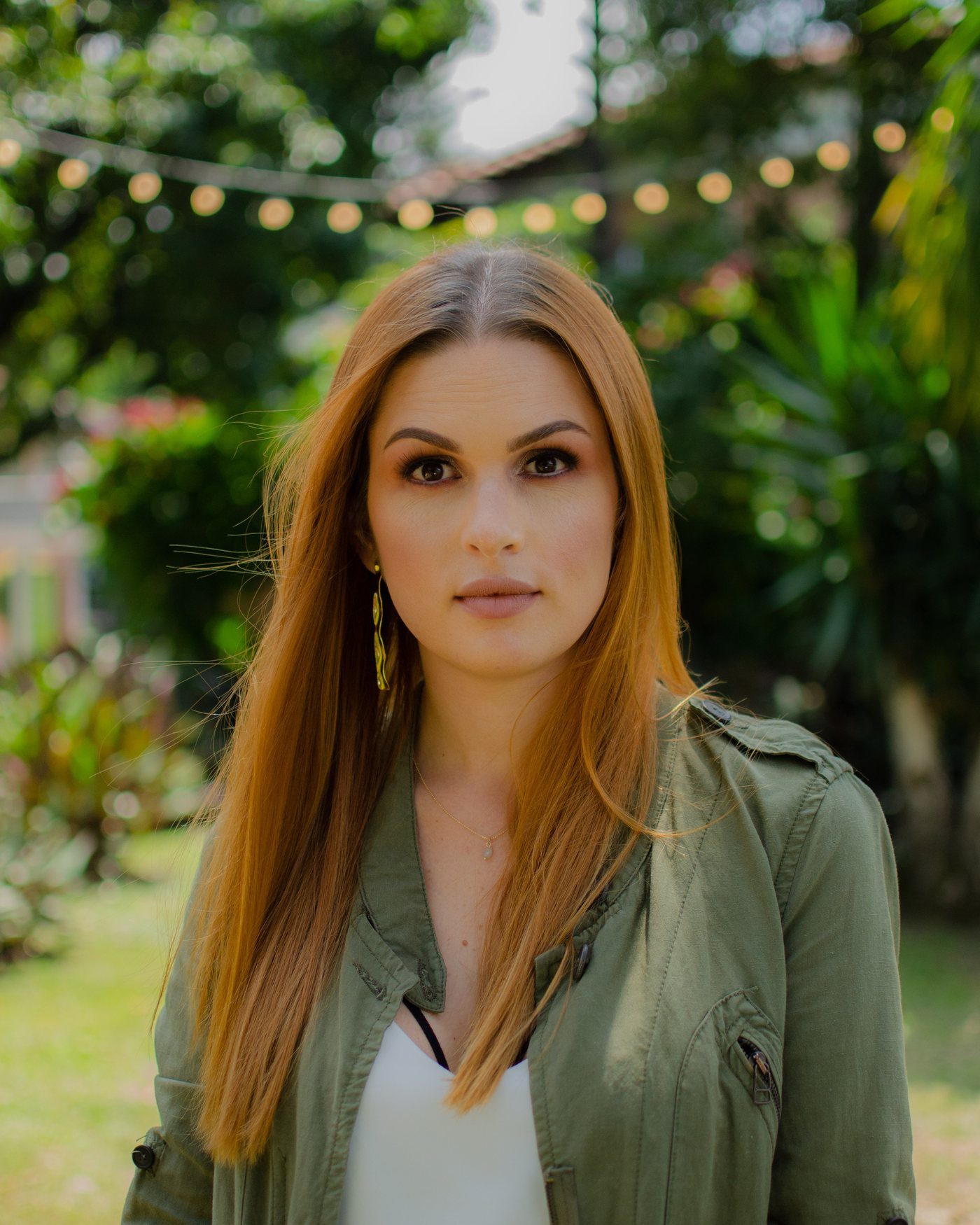 Journalist
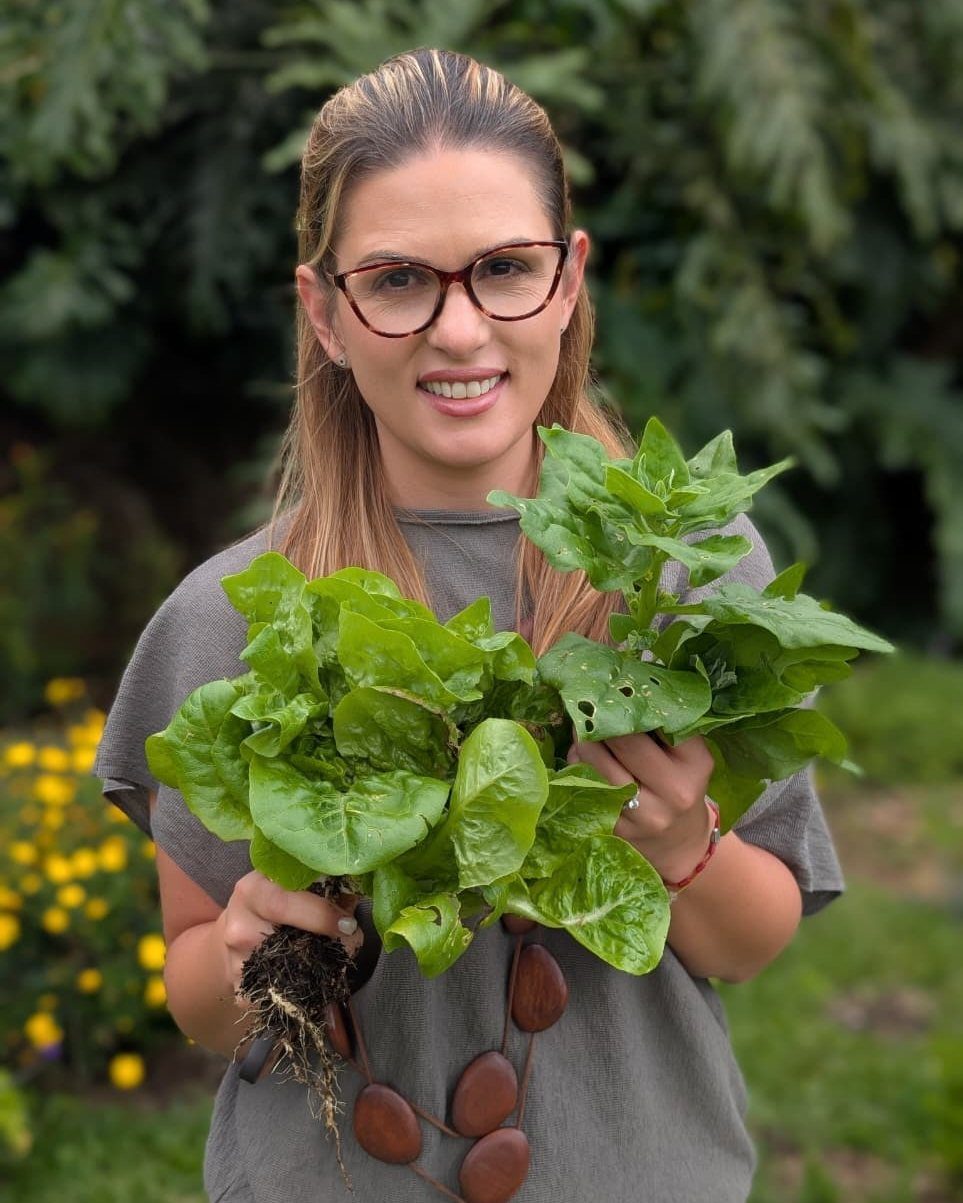 The garden, El Retiro
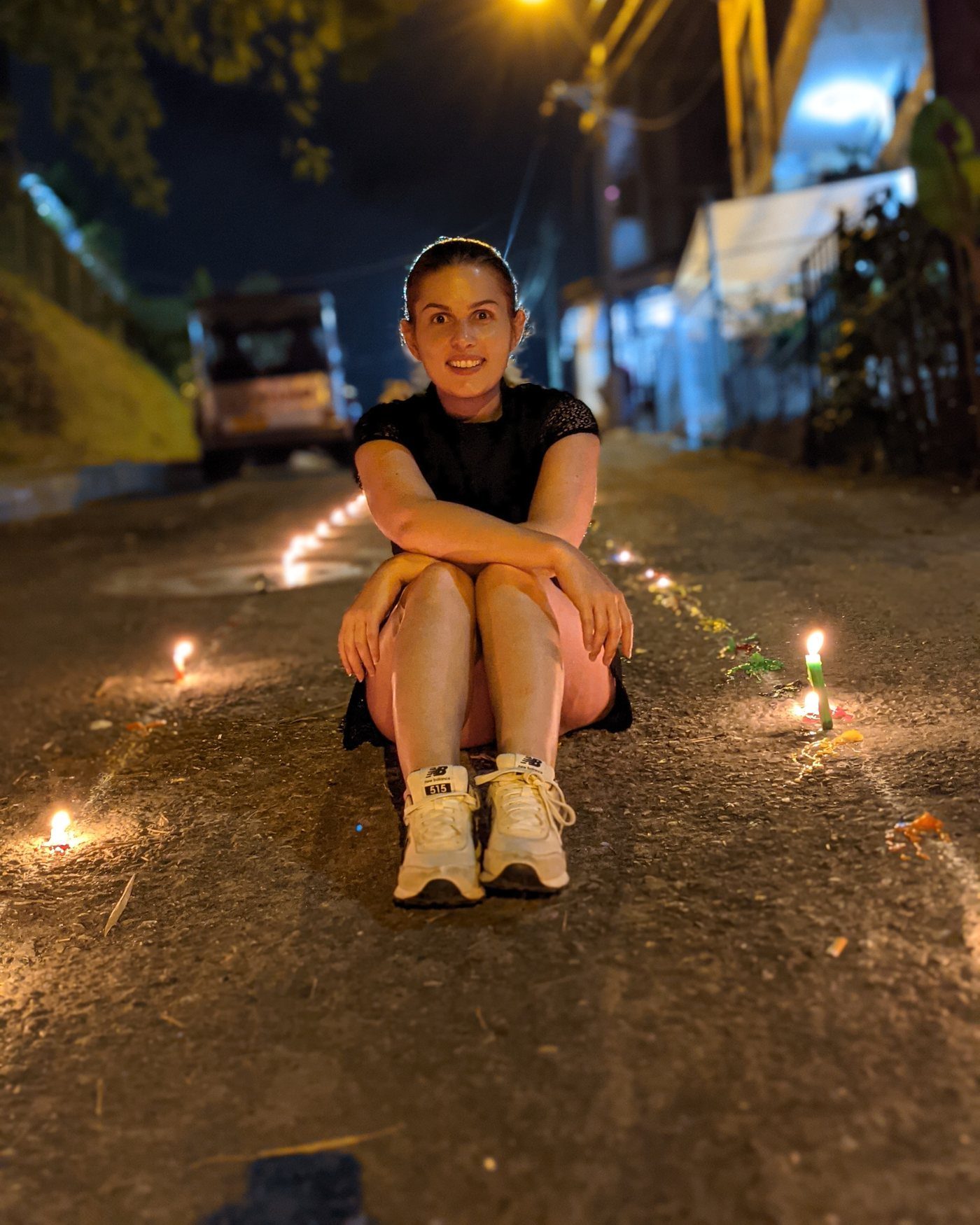 Mother of two
Sarita
What I do on my own: tell, think the narrative, write and teach. When a project needs a full team, we do it with Duende.
Talks, classes and workshops on strategic storytelling, public communication, narratives for cultural change, and the use of artificial intelligence in communication. From one hour to programs of several weeks.
For conferences, universities, companies and public institutions.
↗ Invite meThe concept that gives order to a project, the strategy to tell it, and the analysis of what people say about you in the public conversation. I work with the leadership team until the story is clear to everyone.
For city governments, companies, foundations and social projects.
↗ Let's talkColumns, speeches, letters, analyses and signature texts. Written to measure, with my own research and in your voice, so you can sign them with confidence.
For leaders, spokespeople and media.
↗ Ask for oneTexts, scripts and pieces that arrive ready to publish, as a one-off or on a regular schedule. You set the topic and the pace; I make sure every delivery tells something.
For personal brands, small teams and media.
↗ How it worksI review what you wrote with artificial intelligence and give it back the voice of the person who signs it. I remove the marks that give the machine away, check the facts and leave a text that reads as written by a human.
For communication teams, authors and executives.
↗ Send me the textWhen a full team of journalists, designers and producers is needed, the project goes to the agency I lead. I stay on as narrative director.
For campaigns, reports and city narratives.
↗ Meet DuendeMy method
It is the method I teach in my classes and the one I use when I write. Six steps, always in this order. The most important part happens before anything is designed.
Companies do not listen to stories; people do. First I learn who will hear this, what they live and what hurts.
What they face every day and what happens if nothing changes. Where there is pain, a story begins.
Every number is translated into the other person's life and proven with a true micro-story. No proof, no data.
Tension, conflict and resolution. I read it out loud: if it sounds like a spec sheet, it is not a story yet.
The real test: can it be told in one minute? Does it survive without me? Can the other person defend it before their committee?
With the story tested, and only then, come the slides, the piece or the video.
The first one is with me, in the room. The second one is without me: when the person who heard it repeats it to their boss, their committee or their family. A story is well made when it survives the second journey.
Next talk
Panel at the Horasis Global Summit, Universidad de Medellín, November 12, 7:30 a.m. Moderated by Juliana Mejía, columnist at El Tiempo.
Twenty years turning data into lives people remember.
Journalism, strategy and territoryThe stories where I have put my voice, my pen or my narrative direction.
Journalism
I started at Semana in 2006 and went on to La República, Teleantioquia and Canal UNE. At Bajo la Manga I wrote columns for three years. That is where my habit of always starting with something concrete comes from.
City of Medellín
With the Duende team I led the narrative of the land-use plan revision: how to tell a whole city, in its own language, the plan that decides where it lives and how it grows.
National Police and EAFIT
I supported the narrative of the new Police Code and since then I have trained officers in communication, in Medellín and Bogotá.
Keynotes
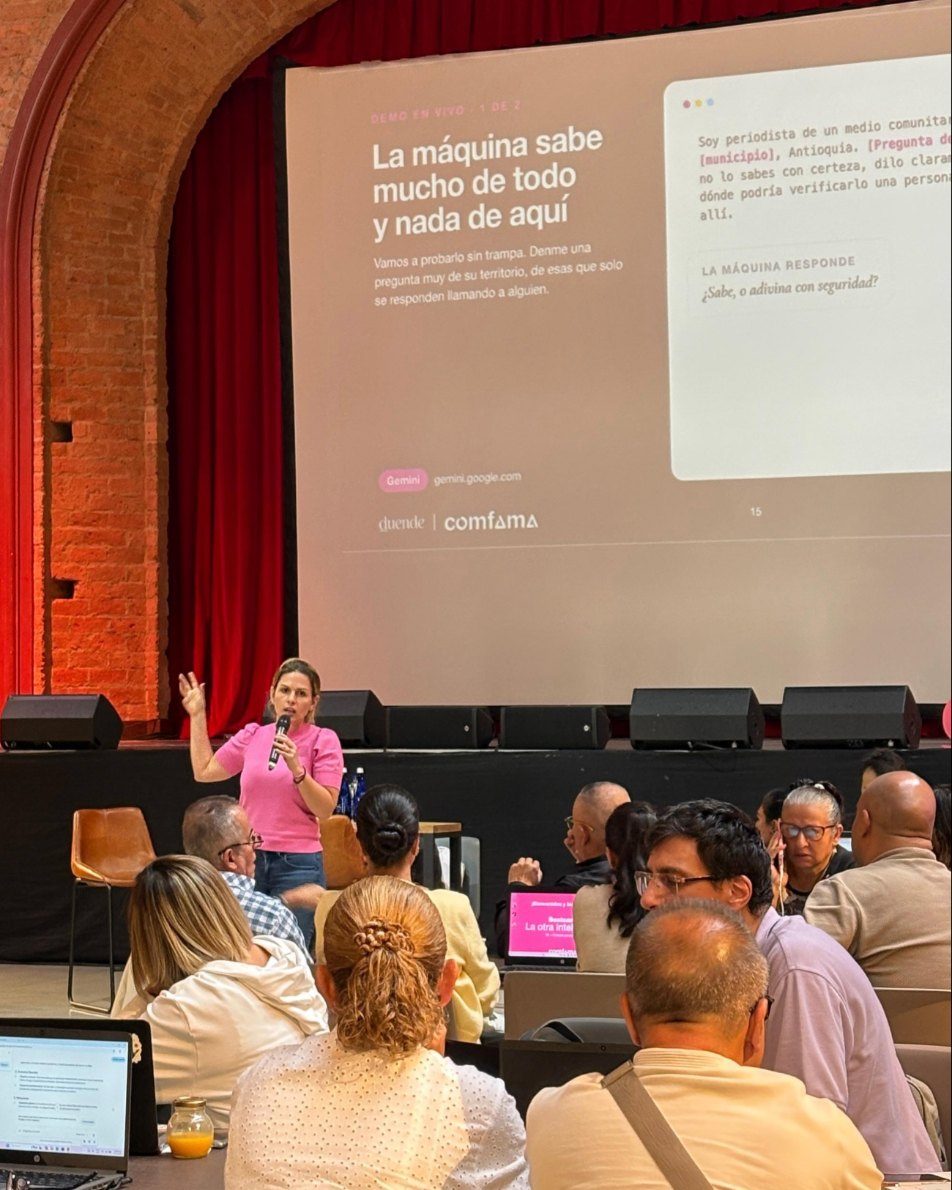
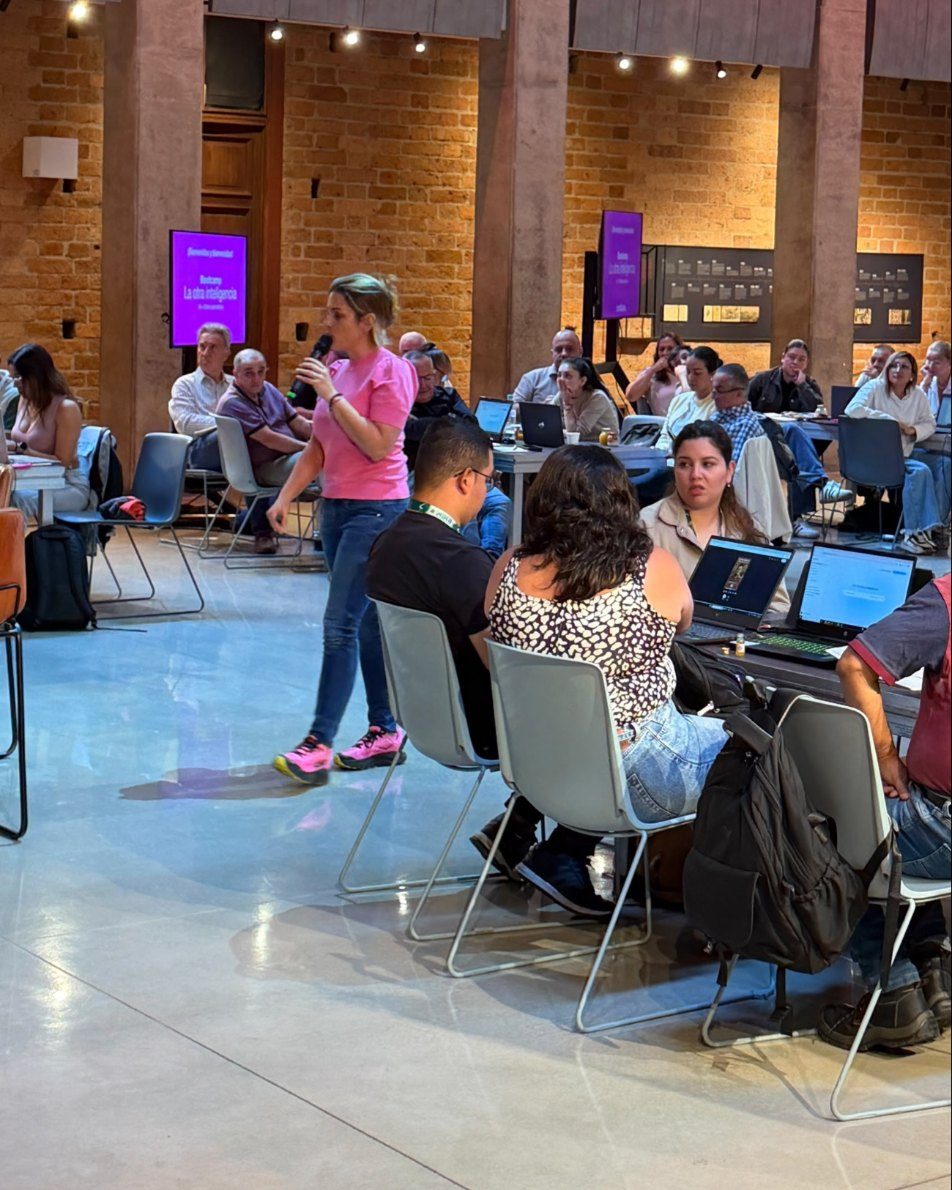
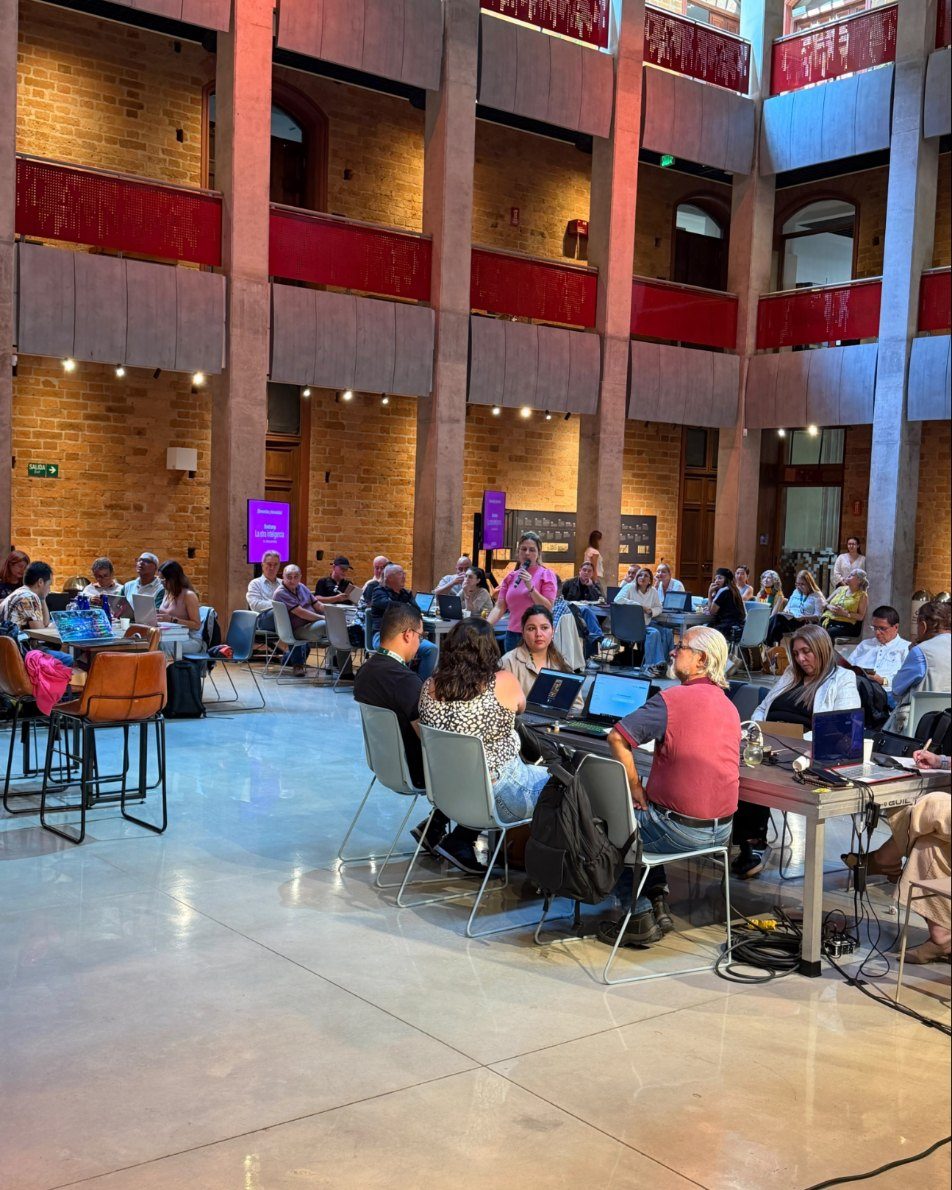
I have spoken about storytelling, cultural change and artificial intelligence to business associations, companies and community journalists. In November 2026 I am a panelist at the Horasis Global Summit in Medellín.
Classes
I teach communication and storytelling courses in companies and universities. I like the class people leave writing differently.
Letters to my daughters, words we should not forget, the garden and the marks of artificial intelligence on what we write. It is where you can best see how I think.
Cooperation and government
I was an advisor to the Pan American Health Organization in Guatemala and worked on clean-vote campaigns for the Government of Antioquia.
Four topics I have worked on for years, adapted to each audience, from a board of directors to a room of five hundred people.
How an organization finds its story and uses it to decide, not only to communicate.
What makes a community, a company or a city truly change a behavior.
How to tell a plan, a public work or a policy to the people who will live with it.
What AI can do for a writer, what it takes away, and how to spot its marks in a text.
I write about what is human while everything changes.
Columns, essays and chronicles under my name. All in Spanish.
Stories and humans are made of the same material.
Storytelling and brand purpose
↗ Read (Spanish)On the place from which a brand speaks.
Brand narrative
↗ Read (Spanish)Eight years after the first spark that brought us together.
Narrative voice and agency culture
↗ Read (Spanish)Educational chronicle
↗ Read (Spanish)Territorial chronicle
↗ Read (Spanish)What I recently posted on @saritapalacio (in Spanish).
Once again I decided to write a letter to my daughters. This time about the importance of feeling.↗ See the story
For generations we have asked girls to behave.↗ See the story
I am convinced that on the shelf of memory many memories are made of flavors.↗ See the story
From a one-hour talk to a program of several weeks. We shape the format with the organizer, according to the audience and what has to happen afterwards.
Spanish and English.
Yes. I teach in Bogotá, I have worked in Guatemala, and I also run online sessions.
By format and scope. Write to me with the date, the audience and the duration, and I will answer with a proposal.
A keynote, a consultancy, a text or an edit I do myself. A campaign, a report or a city narrative that needs a full team is done with Duende, and I stay on as narrative director.
Contact
If you have a keynote, a class, a text or a project you still do not know how to explain, write to me here. It goes straight to my inbox and I answer personally.
Or if you prefer: saritapalacio@gmail.com · @saritapalacio
For large projects
Campaigns, reports, city narratives and content for large teams. That is Duende's work, done by a large and talented team. I stay on as narrative director.
 ↗ Go to duende.com.co